
Our Guide to Successful Business Event Planning


Business events can be a powerful way to raise awareness, build relationships and generate new opportunities. Whether you are organising a workshop, networking session, product launch or webinar, the event itself is only one part of the process.
To get the best possible return from your time and budget, you need a clear plan for what happens before, during and after the event. So, we have put together a useful guide for you.
Before your business event, build a strong foundation
Before booking a venue or creating promotional graphics, you should be deciding what you want the event to achieve. Your objective should influence every decision, from the event format and guest list to the content you create.
Ask yourself which of the following you are looking to do:
· Generate sales leads?
· Strengthen relationships with existing clients?
· Demonstrate your expertise?
· Launch a new product or service?
· Grow awareness within your local area or industry?

When you are thinking about your goals, also consider that you need to make them specific and measurable. For example, rather than aiming to “increase awareness”, you could aim to attract 50 relevant attendees, collect 20 qualified enquiries or secure five follow-up meetings.
Understand your audience
A successful business event should be planned around the group of people you want to attend and target.
Think about the challenges they face, the questions they ask and the information they would genuinely find useful. This will help you choose the right topic, speakers, location, timing and promotional channels.
It will also make your event messaging more persuasive. Instead of simply telling people what the event includes, explain what they will gain from attending.

Create a realistic event timeline
Give yourself enough time to plan, promote and prepare. Think about the following tasks you will need to achieve as part of the planning:
· Confirming the date, venue and speakers
· Creating the registration page
· Developing event branding and promotional materials
· Scheduling social media and email campaigns
· Preparing presentations, signage and printed materials
· Testing technology and equipment
· Confirming final numbers and responsibilities
Assign a task to each member of your team and be sure to include firm deadlines for each task. This reduces last-minute confusion and helps everyone involved understand their role.
Promote the event consistently
Create a campaign that builds interest over time. One announcement is rarely enough to generate strong attendance. Use a mixture of digital channels, including your website, email database, social media profiles, partner networks and personal LinkedIn accounts to generate a buzz around your event.
The content that you create and share could include speaker introductions, behind-the-scenes preparations, agenda highlights, attendee benefits and countdown posts. When you are promoting your event, also make sure to keep registration a simple process with clear messaging and a clear next step.
During your event, be sure to create a valuable experience
Use clear signage, provide an organised registration area and brief your team so they can confidently welcome guests. Attendees should know where to go, what is happening and who they can speak to if they need help. Small details such as name badges, refreshments, accessible information and a clear agenda can make the experience feel more professional. First impressions matter, and all of this will define the attendee’s overall experience.

Encourage participation
Avoid turning the entire event into a sales presentation. People are more likely to remember an event when they feel involved. Focus on offering useful information and creating conversations. Include opportunities for questions, discussion, demonstrations, polls or networking. For online events, use chat features, live questions and interactive activities to keep attendees engaged.
Trust is often built during events when a business demonstrates its expertise without applying unnecessary pressure.
Capture content while the event is happening.
An event can provide valuable marketing content long after it has finished. You can use this material for social media posts, blogs, newsletters, case studies and future event promotions.
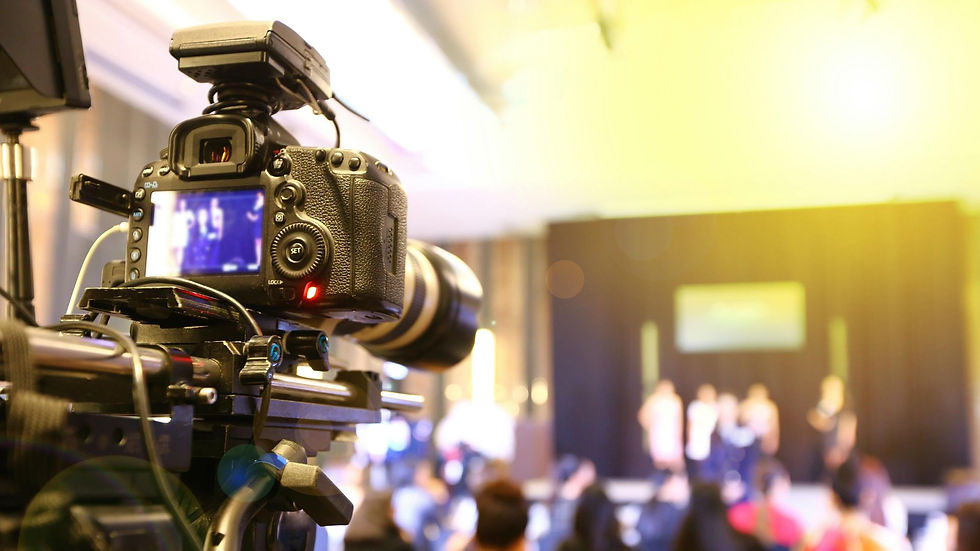
Be sure to have a sign-up on your stand or notify your attendees that you’ll be capturing videos and pictures of attendees. Make sure you have a checklist of content that you want to capture prior to the event, making it easier to ensure that you capture it. Some of the content you should be capturing, if possible, is as follows:
· Photographs of speakers and attendees
· Short video clips
· Audience questions
· Key quotes and insights
· Testimonials
· Behind-the-scenes footage
Collect useful information during your event.
During your initial event planning, you should have set the goal of what you want to achieve from the event itself. This is the time to capture that information to achieve your goal. Think carefully about what information you need from attendees and how you will collect it appropriately.
This could include registration details, feedback forms, questions, expressions of interest or permission to receive future communications. Keep the process simple and transparent, particularly when collecting personal information for marketing purposes.
Also be sure to collect information and data from your online activity during an event. This can help identify future audience targeting and new opportunities for future events.
After your event, turn interest into actions
Don’t allow the momentum to disappear once your event ends. Be sure to send attendees a thank-you email or message within a few days and include any promised resources, presentation slides, useful links or recordings.
Share event highlights on your digital channels
Continue promoting the value of the event through recap posts, short videos, photo galleries and key takeaways. This helps attendees revisit what they learned while showing non-attendees what they missed. It can also create early interest, attract new audiences and generate buzz around your next event.
If done properly, your event could generate several months of valuable marketing content, so avoid sharing everything at once during your event.

Before you start the process of planning again for your next event, review your results!
Revisit the objectives you set at the planning stage and match them to your goals to see if you have achieved the desired results. Discuss amongst the team and persons involved what worked, what could be improved and what you would do differently next time. Documenting these lessons will make future event planning more efficient and effective.
Review all the information to also see if you achieved positive additional results outside your initial goals. You should include the following in your review process:
· Registrations and attendance
· Enquiries or meetings generated
· Website visits
· Email engagement
· Social media reach and interaction
· Attendee feedback
· Sales or opportunities influenced by the event
So how do you get the most from your events?
This guide is, of course, a useful first step, but the key thing to remember is to view your event as a complete campaign rather than a single day.
Planning an event takes time, creativity and careful coordination. Strong preparation helps you attract the right people. A valuable event experience builds trust and engagement, and thoughtful follow-up turns that attention into lasting relationships and potential opportunities.
From planning and promotion to print, digital assets and content capture, our experienced team can support your event from start to finish, helping you maximise ROI and make a lasting impact.


Comments